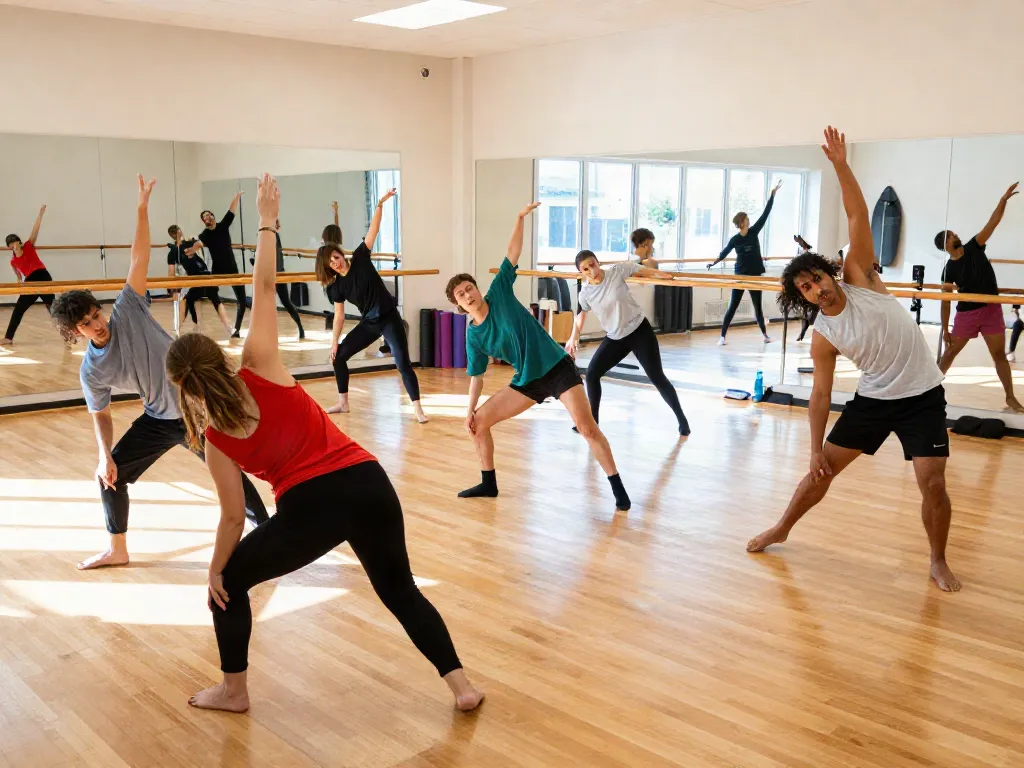
Understanding the Evolution of Dance at Kineticsynergydancecompany.com
The world of dance is ever-evolving, reflecting changes in culture, technology, and individual expression. At kineticsynergydancecompany.com, we embrace this evolution while honoring the rich history of dance, which serves as a foundation for modern practices. The significance of dance transcends mere entertainment; it embodies cultural narratives, emotional expression, and community engagement. As we dive into the current landscape of dance, it’s essential to consider the historical context and how it shapes the contemporary styles we see today.
The Historical Significance of Dance in Culture
Dance has been an integral part of human expression for thousands of years, serving as a vital form of communication and storytelling. In ancient cultures, dance was often interwoven with rituals and celebrations, providing a means for communities to bond and share experiences. From the traditional folk dances of various regions to the ceremonial dances of indigenous cultures, the historical roots of dance highlight its role in preserving heritage and fostering social unity.
As societies evolved, dance transformed alongside them. The Renaissance period saw a flourishing of artistic expression, where dance became a formalized art alongside music and visual arts. This era established the foundations of classical ballet, which emphasized technical mastery and storytelling through movement. Thus, today's dance forms, from ballet to contemporary to hip-hop, are steeped in this rich historical tapestry.
Current Trends in Dance Styles for 2026
As we step into 2026, dance continues to diversify, with various styles gaining popularity. Contemporary dance has seen a surge in interest, as choreographers blend traditional techniques with modern sensibilities. Styles such as urban dance and street dance have also gained mainstream visibility, thanks to social media platforms that showcase talented dancers worldwide. Additionally, the fusion of different cultural dance forms is creating a melting pot of new styles, reflecting a globalized society and a shared appreciation for diversity in movement.
Moreover, dance competitions and reality shows have popularized dance among the masses, leading to an increased interest in dance education and community classes. This trend has led many companies, like Kinetic Synergy Dance Company, to expand their offerings, welcoming dancers of all ages and skill levels.
How Technology Influences Dance Practices Today
Technology is rapidly reshaping how dance is created, shared, and experienced. Digital platforms enable dancers to connect, collaborate, and showcase their talents on a global scale. Virtual reality (VR) has emerged as a fascinating medium for dance performances, allowing audiences to engage in immersive experiences. Choreographers are also utilizing advanced software for video editing and animation, creating innovative works that captivate modern audiences.
Dance training has also benefited from technological advances. Online classes and tutorials have made education accessible to aspiring dancers, regardless of their location. Through these platforms, dancers can learn at their own pace, revisiting techniques and choreography as needed. This accessibility fosters a new generation of dancers eager to explore diverse styles and challenge traditional boundaries.
Key Techniques Every Dancer Should Master
Fundamental Dance Movements and Their Importance
Mastering fundamental movements is crucial for any dancer, regardless of style. Techniques such as pliés, tendus, and jetés form the backbone of many dance styles, providing the strength and coordination needed for more complex choreography. Furthermore, understanding body alignment and balance helps dancers prevent injuries and maintain longevity in their careers.
By emphasizing these fundamentals, Kinetic Synergy Dance Company prepares its dancers to tackle a wide variety of styles while promoting a strong technical foundation.
Strength and Flexibility: Essential for Performance
Physical fitness plays a crucial role in a dancer's performance. Strength training enhances a dancer’s ability to execute movements with power and control. Core strength, in particular, is vital for maintaining balance and stability while performing intricate routines. Likewise, flexibility allows for greater range of motion, enabling dancers to achieve the desired lines and shapes in their movements.
Incorporating exercises that target both strength and flexibility into daily routines can significantly benefit a dancer's overall performance, contributing to their artistic expression and physical capabilities.
Incorporating Technology into Dance Training
As the relationship between technology and dance grows stronger, it's essential for dancers to adapt and leverage these tools in their training. Video analysis software enables dancers to review their performances closely, identifying areas for improvement. Fitness trackers can also provide valuable insights into a dancer's physical condition, helping to tailor training regimens that enhance endurance and strength.
Additionally, online workshops conducted by seasoned professionals allow dancers to learn directly from experts in the industry, enriching their training experience and broadening their artistic perspective.
Best Practices for Dance Rehearsals and Performances
Creating an Effective Rehearsal Schedule
Time management is critical for dancers, especially when balancing rehearsals, performances, and personal commitments. Establishing a well-structured rehearsal schedule aids in maximizing productivity and efficiency during practice sessions. Including warm-ups, technique work, and choreography can ensure that every aspect of a dancer’s preparation is addressed.
Collaboration among dancers during rehearsals is also essential. A supportive environment fosters creativity and enhances the overall performance quality. Encouraging feedback and communication can lead to more cohesive group performances, benefiting both individual and ensemble dancers.
Nutrition and Wellness for Dancers
Nutrition significantly impacts a dancer's performance and longevity in the field. Maintaining a balanced diet, rich in nutrients, is vital because dancers rely on their bodies to perform at high levels. Proper hydration and refueling the body after rehearsals with protein and carbohydrates can optimize recovery and prevent injuries.
Moreover, incorporating wellness practices such as yoga and meditation can help dancers develop mental resilience, enhance focus, and manage performance anxiety. A well-rounded approach to health and nutrition is integral to sustaining a long-lasting dance career.
Performance Preparation: Mental and Physical Techniques
As performance day approaches, the importance of mental preparation cannot be overstated. Dancers must cultivate a positive mindset, allowing them to channel their energy into their performance. Visualization techniques, where dancers mentally rehearse their routines, can boost confidence and enhance focus when it’s time to take the stage.
Physically, establishing a pre-performance routine helps dancers get into the right mindset while ensuring their bodies are warmed up and ready. This could include light stretching, breathing exercises, or even a brief solo run-through of key sections in the choreography.
Challenges and Solutions for Dancers in 2026
Overcoming Injuries and Keeping Fit
Injuries remain a significant concern for dancers, often stemming from overuse, improper technique, or insufficient cross-training. Implementing injury prevention strategies, such as proper warm-ups, cross-training with low-impact activities, and addressing imbalances in strength or flexibility, can help mitigate the risk. Rehabilitation and physical therapy are vital components if an injury does occur, ensuring that dancers can safely return to the stage.
In 2026, dancers will need to prioritize their fitness not just for performance but as a lifestyle choice, embracing holistic approaches to health that include physical, mental, and emotional well-being.
Addressing the Challenges of Online Dance Classes
While online dance classes have made training more accessible, they come with their own set of challenges. The lack of personalized feedback can hinder a dancer's growth, as detailed corrections from instructors may not be possible. To overcome this, dancers should seek out opportunities for live sessions or mentorship programs that provide constructive feedback.
Additionally, maintaining a proper setup at home, including suitable flooring, adequate space, and access to the right equipment, can significantly enhance the online learning experience.
Balancing Artistic Expression with Commercial Pressures
The dance industry is increasingly influenced by commercial interests, making it essential for dancers to balance their artistic expression with market demands. Dancers must stay true to their artistry while remaining adaptable to evolving trends. This may involve experimenting with different styles or collaborating with artists from diverse backgrounds.
Understanding the business side of dance, such as marketing oneself and networking, is also crucial in building a sustainable career in this competitive field.
Future Trends in Dance and Performance Industry
The Rise of Virtual Reality in Dance Performances
With advancements in technology, virtual reality is becoming a transformative tool in the dance industry. VR allows audiences to immerse themselves in performances like never before, offering a 360-degree experience that transcends traditional stage boundaries. This technology encourages innovative storytelling techniques, enhancing the connection between the performer and the audience.
As VR technology becomes more accessible, dance companies and artists will likely explore its potential to deliver unique experiences that attract new audiences and redefine performance art.
Trends in Dance Collaboration and Community Engagement
Community engagement is gaining momentum in the dance industry, with many companies prioritizing outreach programs and partnerships. Collaborative projects that involve local artists, schools, and community organizations foster a sense of belonging and shared expression. Such initiatives help dancers connect with their communities and create meaningful experiences that resonate beyond performance.
Moreover, fostering inclusivity within the dance community encourages diverse voices and perspectives, enriching the art form and ensuring its relevance in modern society.
Predictions for Dance Innovations by 2026
As we look ahead, the dance industry is primed for innovations that could redefine how we perceive and engage with this art form. Expect more incorporation of AI in choreography, allowing for unique dance creations that blend human creativity with technology. Additionally, further educational advancements will ensure dancers have access to a myriad of resources that support their growth.
With a commitment to pushing artistic boundaries, the dance community will continue to flourish, adapting to the evolving landscape while honoring its rich heritage.
What are the best resources for dance education?
Online platforms, such as educational websites and streaming services, offer a wealth of knowledge for aspiring dancers. Joining local dance communities and attending workshops can enhance practical skills and foster connections with fellow dancers.
How can I prepare for an audition in dance?
Preparation involves honing technique, selecting appropriate repertoire, and understanding the audition process. Practicing in front of peers and seeking constructive feedback can also enhance confidence.
What injuries are most common among dancers?
Common injuries include sprains, strains, and tendonitis, often resulting from overuse or improper technique. Implementing preventive strategies, such as strength training and cross-training, can mitigate these risks.
What are the benefits of joining a dance company?
Being part of a dance company provides valuable performance experience, training, and community support. Collaborating with other dancers fosters creativity and allows for professional growth.
How does technology impact dance choreography?
Technology enhances choreography by allowing choreographers to experiment with new movements and visualize performances through digital tools. This innovative approach can inspire fresh ideas and enhance the creative process.